




City of Verona, Italy

The city is situated in northern Italy at the foot of the Lessini Mountains on the River Adige. It dates from prehistoric times: a small built-up area that developed between the 4th and 3rd century BCE became a Roman municipium in the 1st century BCE after which it rose rapidly in importance. During the 5th century, Verona was occupied by the Ostrogoth Theodoric I, later by the Lombards, and in 774 by Charlemagne. In the early 12th century, it became an independent commune. It prospered under the rule of the Scaliger family and particularly under Cangrande I, falling to Venice in 1405. from 1797, it became part of the Austrian Empire and joined the Kingdom of Italy in 1866.
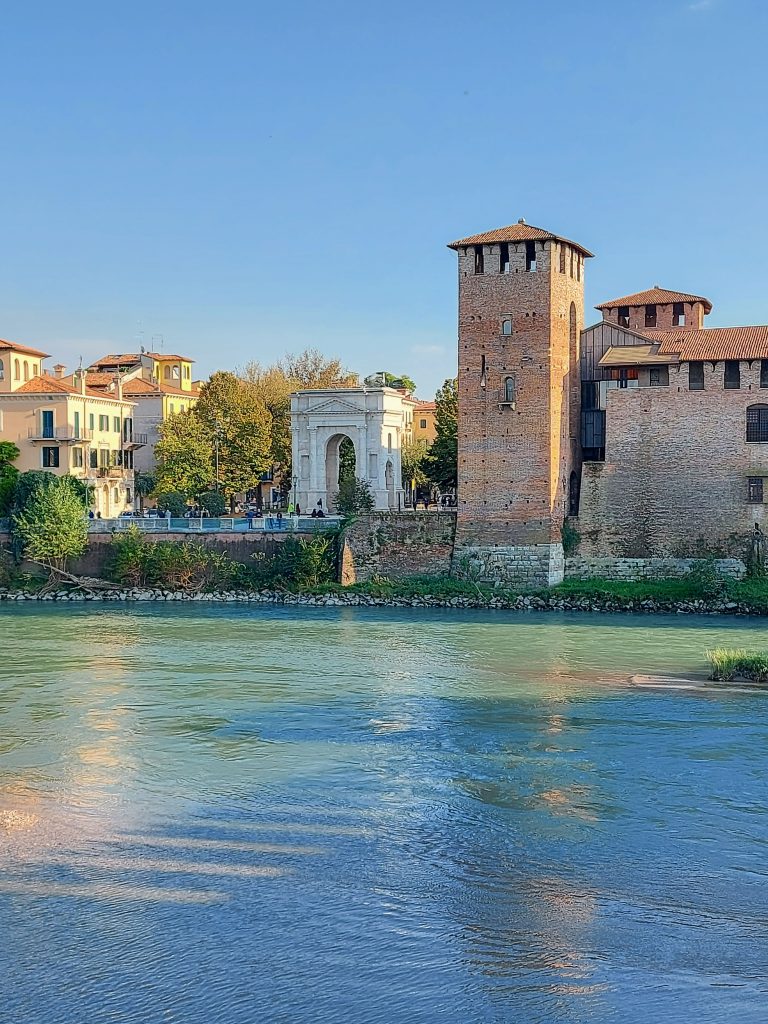
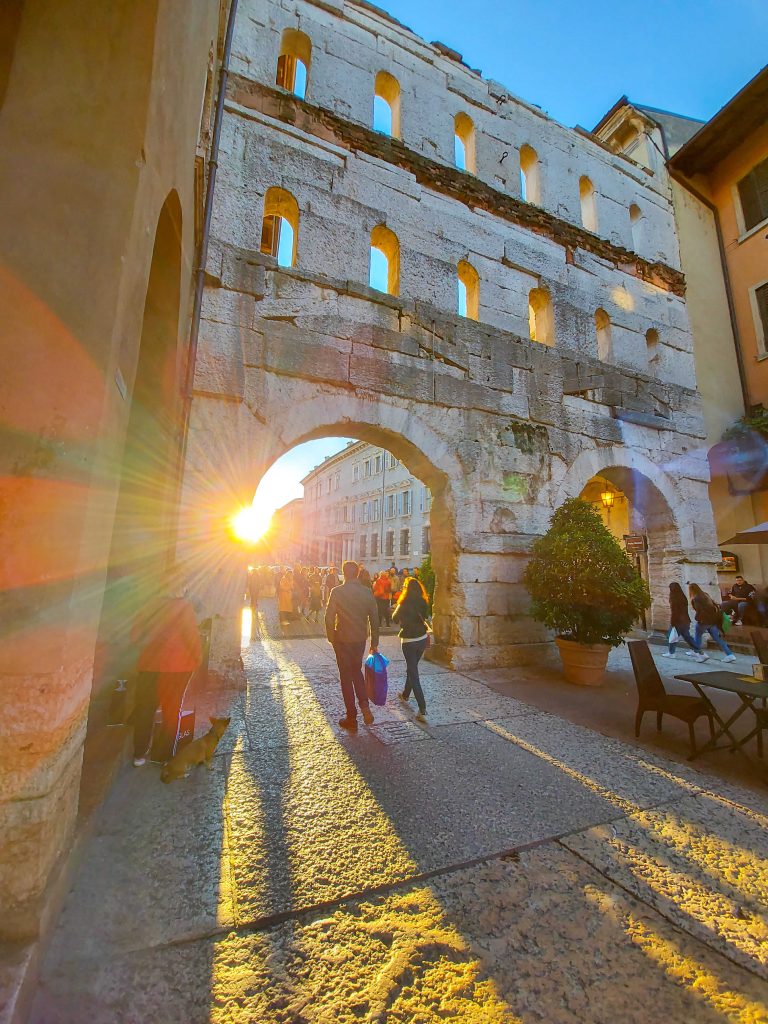
The core of the city consists of the Roman town nestled in the loop of the river containing one of the richest collections of Roman remains in northern Italy. Surviving remains of this era include the city gate, Porta Borsari, the remains of the Porta Leoni, the Arco dei Gavi, which was dismantled in the Napoleonic period and rebuilt next to Castelvecchio in the 1930s, the Ponte Pietra, the Roman theatre, and the Amphitheatre Arena.
The Scaligers rebuilt the walls during the Middle Ages, embracing a much larger territory in the west and another vast area on the east bank of the river. This remained the size of the city until the 20th century. The heart of Verona is the ensemble consisting of the Piazza delle Erbe (with its picturesque fruit and vegetable market) and the Piazza dei Signori, with historic buildings that include the Palazzo del Comune, Palazzo del Governo, Loggia del Consiglio, Arche Scaligere, and Domus Nova.
The Piazza Bra has several buildings dating back to different epochs.
Verona’s surviving architecture and urban structure reflect the evolution of this fortified town over its 2,000-year history.
Citta di Verona, Italia
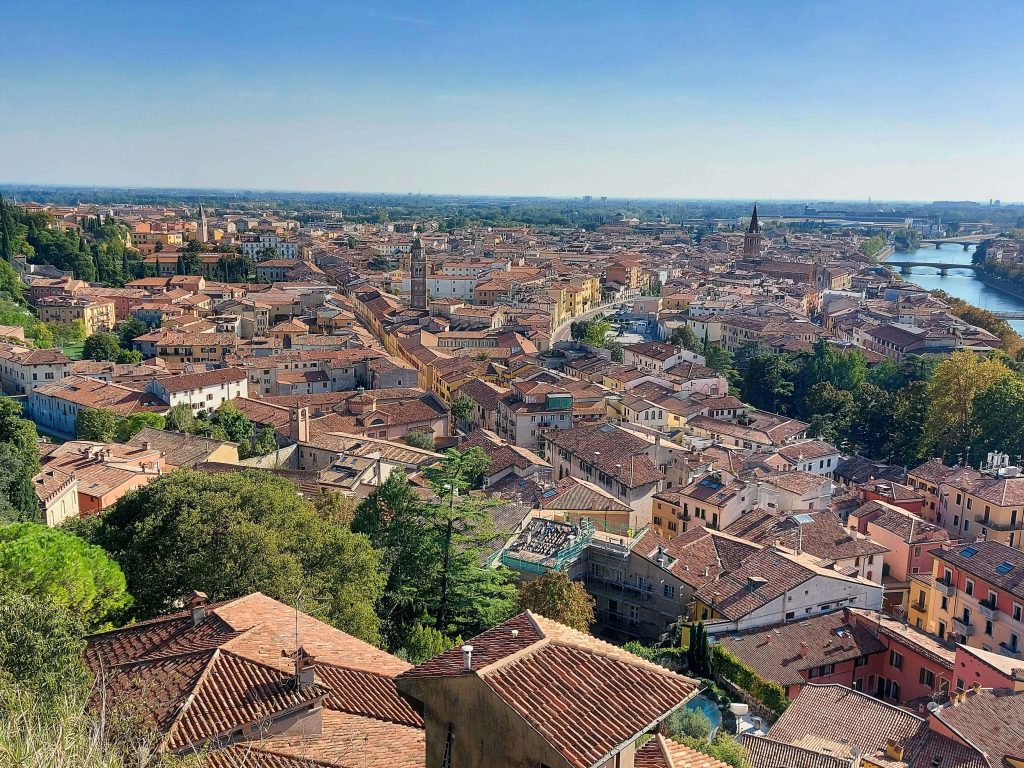
La città è situata nel nord d’Italia ai piedi del Monti Lessini sul fiume Adige. Risale alla preistoria: un piccolo abitato che si sviluppò tra il IV e il III secolo a.C. divenne Municipium Romano nel I secolo a.C, dopodichè aumentò rapidamente d’importanza. Nel V secolo Verona fu occupata dall’ostrogoto Teodorico I, poi dai Longobardi e nel 774 da Carlo Magno. All’inizio del XII secolo divenne un comune autonomo. Prosperò sotto il dominio degli Scaligero e in particolare sotto Cangrande I, cadendo sotto a Venezia nel 1405. Dal 1797 entrò a far parte dell’Impero Austriaco e nel 1866 entrò a far parte del Regno d’Italia.
Il nucleo della città è costituito dalla città romana incastonata nell’ansa del fiume contenente una delle più ricche raccolte di reperti romani dell’Italia settentrionale. Resti superstiti di quest’epoca sono la porta della città, Porta Borsari, i resti di Porta Leoni, l’Arco dei Gavi, smantellato in epoca napoleonica e ricostruito accanto a Castelvecchio negli anni ’30, il Ponte Pietra, il teatro romano e l’ anfiteatro Arena.
Gli Scaligeri ricostruirono le mura nel medioevo, abbracciando un territorio molto più vasto a ovest e un’altra vasta area sulla sponda orientale del fiume. Questa rimase la dimensione della città fino al XX secolo. Il cuore di Verona è l’insieme formato da Piazza delle Erbe (con il suo pittoresco mercato ortofrutticolo) e Piazza dei Signori, con edifici storici che includono il Palazzo del Comune, Palazzo del Governo, Loggia del Consiglio, Arche Scaligere, e Domus Nova. La Piazza Bra ha una serie di edifici risalenti a epoche diverse.
L’architettura e la struttura urbana superstiti di Verona riflettono l’evoluzione di questa città fortificata nei suo 2000 anni di storia.

The core of the city consists of the Roman town nestled in the loop of the river containing one of the richest collections of Roman remains in northern Italy. Surviving remains of this era include the city gate, Porta Borsari, the remains of the Porta Leoni, the Arco dei Gavi, which was dismantled in the Napoleonic period and rebuilt next to Castelvecchio in the 1930s, the Ponte Pietra, the Roman theatre, and the Amphitheatre Arena.
The Scaligers rebuilt the walls during the Middle Ages, embracing a much larger territory in the west and another vast area on the east bank of the river. This remained the size of the city until the 20th century. The heart of Verona is the ensemble consisting of the Piazza delle Erbe (with its picturesque fruit and vegetable market) and the Piazza dei Signori, with historic buildings that include the Palazzo del Comune, Palazzo del Governo, Loggia del Consiglio, Arche Scaligere, and Domus Nova.
The Piazza Bra has several buildings dating back to different epochs.
Verona’s surviving architecture and urban structure reflect the evolution of this fortified town over its 2,000-year history.
Il nucleo della città è costituito dalla città romana incastonata nell’ansa del fiume contenente una delle più ricche raccolte di reperti romani dell’Italia settentrionale. Resti superstiti di quest’epoca sono la porta della città, Porta Borsari, i resti di Porta Leoni, l’Arco dei Gavi, smantellato in epoca napoleonica e ricostruito accanto a Castelvecchio negli anni ’30, il Ponte Pietra, il teatro romano e l’ anfiteatro Arena.
Gli Scaligeri ricostruirono le mura nel medioevo, abbracciando un territorio molto più vasto a ovest e un’altra vasta area sulla sponda orientale del fiume. Questa rimase la dimensione della città fino al XX secolo. Il cuore di Verona è l’insieme formato da Piazza delle Erbe (con il suo pittoresco mercato ortofrutticolo) e Piazza dei Signori, con edifici storici che includono il Palazzo del Comune, Palazzo del Governo, Loggia del Consiglio, Arche Scaligere, e Domus Nova. La Piazza Bra ha una serie di edifici risalenti a epoche diverse.
L’architettura e la struttura urbana superstiti di Verona riflettono l’evoluzione di questa città fortificata nei suo 2000 anni di storia.
Integrity

The historic city of Verona today contains elements representing its 2,000-year history: the Roman period, Romanesque, Middle Ages, and Renaissance which has survived intact until the 19th century. The Walls surrounding the city prevented 19th-century development such as industry and railroads within the historic city.
The urban structure, as a result, shows exceptional, coherence and a large degree of homogeneity. Although Verona´s buildings suffered significant damage during World War II, the post-war reconstruction plan (1946) maintained its original structure, and the reconstruction process was carried out with utmost care.
Threats to the historic city are low. Until the late 19th century, river flooding was common but measures put in place at that time have controlled this risk. The city is classified as “low risk” for seismic activity. Moreover, tourism is managed to control risk to historic resources.
Integrità
La città storica di Verona oggi racchiude elementi che rappresentano i suoi 2000 anni di storia: epoca romana, romanica, medievale e rinascimentale che sono sopravvissuti intatti fino al XIX secolo. Le mura che circondano la città hanno impedito lo sviluppo del XIX secolo come l’industria e le ferrovie all’interno della città storica. Quindi, la struttura urbana, mostra un’eccezionale coerenza e un ampio grado di omogeneità. Nonostante gli edifici veronesi abbiano subito ingenti danni durante la seconda guerra mondiale, il piano di ricostruzione è stato svolto con la massima cura.
Le minacce per la città storica sono basse. Fino alla fine del 19º secolo, le inondazioni dei fiumi erano comuni, ma le misure messe in atto in quel momento hanno controllato questo rischio. La città è classificata a “basso rischio” per attività sismica. Inoltre, il turismo è gestito per controllare il rischio per le risorse storiche.
Authenticity
The historic authenticity of the City of Verona is high. The present city has been an urban settlement on the River Adige for over 2,000 years. The original Roman urban form continues to be evident in the existing street pattern and the city’s historic fabric remained intact until World War II. As far as the fortified town is concerned, the defense system has been well preserved through the continuity of its military use over time. Surviving evidence of the fortified town, such as Roman gates and Renaissance bastions, reflect this long military history.
Interventions of architectural and urban restoration carried out after World War II was based on the established restoration principle, peculiar to the Italian tradition, dating back to the mid-19th century, which has always brought respect for historical and material testimonies to the foreground. Specifically, the principle is designed to preserve the urban structure and the buildings intact, and to create continuity by carefully incorporating the destroyed areas into the urban pattern while meeting the urban restoration criteria. The reconstruction of the Roman bridge, for example, was based on careful documentation and the reuse of original materials.
Autenticità
La autenticità del Comune di Verona è alta. La città attuale è un insediamento urbano sul fiume Adige da oltre 2000 anni. L’originaria forma urbanistica romana continua a essere evidente nel tracciato stradale esistente e il tessuto storico della città è rimasto intatto fino alla seconda guerra mondiale. Per quanto riguarda la città fortificata, il sistema difensivo è stato ben conservato grazie alla continuità nel tempo del suo uso militare. Le testimonianze superstiti della città fortificata, come porte romane e bastioni rinascimentali, riflettono questa lunga storia militare.
Gli interventi di restauro architettonico e urbanistico fatti nel secondo dopoguerra si sono basati sul principio consolidato del restauro, peculiare della tradizione italiana risalente alla metà dell’Ottocento, che ha sempre portato in primo piano il rispetto delle testimonianze storiche e materiali. In particolare, il principio è volto a preservare intatta la struttura urbana e gli edifici ea creare continuità incorporando accuratamente le aree distrutte nel modello urbano, rispettando i criteri di ripristino urbano.
La ricostruzione del ponte romano, ad esempio, si è basata su un’attenta documentazione e sul riutilizzo dei materiali originari.
Romeo and Juliet
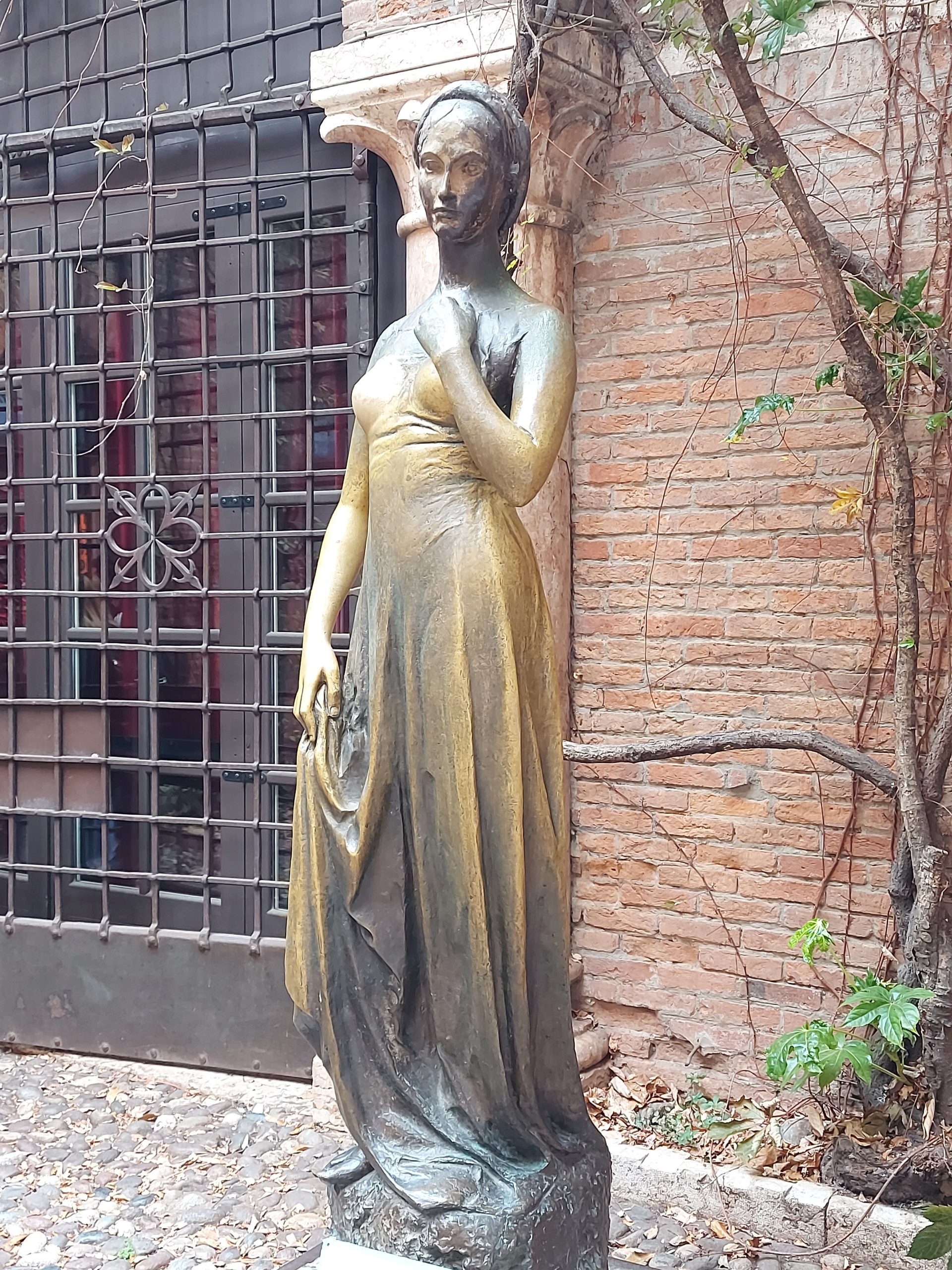
Today Verona is well known for Shakespeare’s play Romeo and Juliet (Giulietta). It is visited by millions of tourists a year who view the homes of the families; and Juliet’s baloney and tomb.
Romeo and Juliet is a tragedy written by William Shakespeare early in his career about two young Veronese, star-crossed lovers whose deaths ultimately reconcile their feuding families. It was among Shakespeare’s most popular plays during his lifetime.
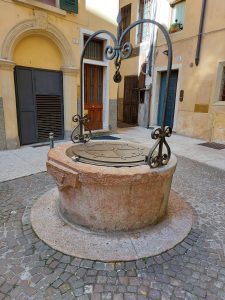
The exact origins of Shakespeare’s story are still unclear. The Romeo and Juliette story may in fact be factually accurate. However, some suggest that the story is based on the older Veronese legend of Corrado and Isabella. Corrado, a soldier from the neighboring town of San Bonifacio, fell in love with Isabella, a young Veronese noblewoman. After being repeatedly rejected, the despondent Corrado threw himself down a well and died. When Isabella learned what he had done, she realized that she had lost the one true love of her life. She threw herself down the same well. Today it is possible to visit the Well of Love (il Pozzo dell’Amore) which is in a tiny, deserted piazza a few hundred yards from the bustle of Juliette’s Balcony.
Romeo e Giulietta
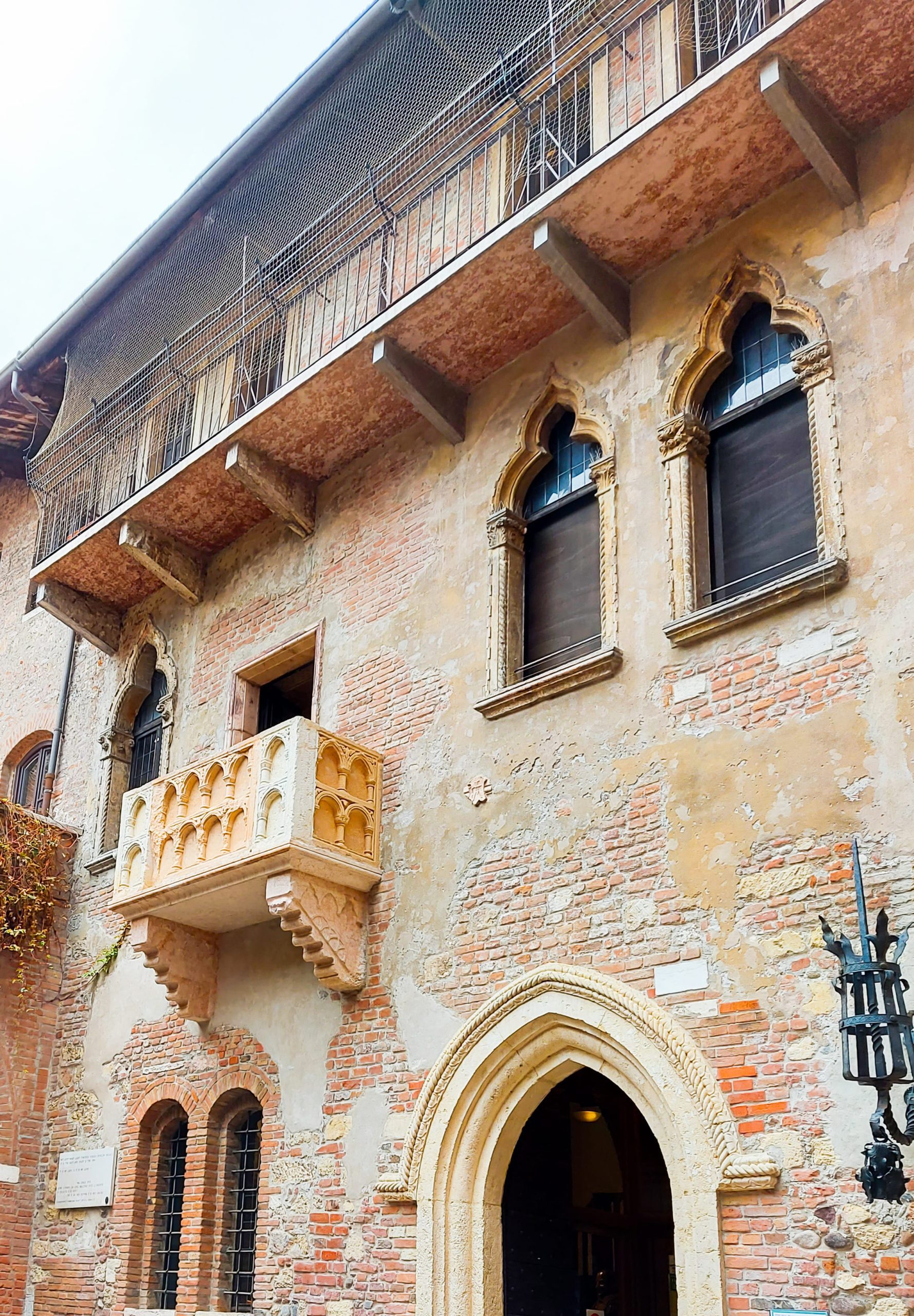
Oggi Verona è ancora famosa per l’opera di Shakespeare, Romeo and Juliet (Giulietta). Ogni anno, milioni di turisti vengono a Verona per visitare le case delle famiglie; il famoso balcone, e la tomba di Giulietta.
Romeo and Juliet è una tragedia da William Shakespeare scritta all’inizio della sua carriera, su due giovani veronesi, che erano amanti sfortunati. Alla fine, la loro morte riconciliava le loro famiglie. Fu tra le opere più popolari di Shakespeare durante la sua vita.
Le origi esatte della storia di Shakespeare non sono ancora chiare. La storia di Romeo and Juliet potrebbe essere infatti effettivamente accurata. Tuttavia, c’è anche chi suggerisce che la storia sia basata sulla più antica leggenda Veronese di Corrado e Isabella. Corrado, un soldato del vicino paese di San Bonifacio, si innamorò di Isabella, una giovane nobildonna Veronese. Dopo essere stato respinto molte volte, Corrado sconsolato si gettò in un pozzo e mori. Quando Isabella seppe cosa è successo, capi di aver perso l’unico vero amore della sua vita. Anche lei si gettò nello stesso pozzo. Oggi si può visitare il Pozzo de dell’Amore che si trova in una piazzetta deserta a poche centinaia di metri dal trambusto del balcone di Giulietta.
*Information provided by UNESCO World Heritage Centre
*Informazionifornite dal Centro del Patrimonio Mondiale dell’UNESCO
 Verona, Italy/Italia
 chef@veronaonepan.com